Start The Process
Submit your contact details & we'll reach out to you shortly.

Here are the main points about when you should think about a gutter replacement:
The gutters on your home help protect it from water, but many people do not think about them until there is a problem. A working gutter system moves rainwater away, so your siding, roof, and foundation stay safe from water damage. If you do not pay attention to worn gutters, you could have big and costly problems later. Knowing when you need gutter replacement can help stop water damage and keep your home’s exterior strong for a long time.
Your home’s drainage system helps stop water damage fast. The gutters are a big part of how this works. Over the years, even if you do gutter maintenance, your current gutters can wear down. It is important to watch for gutter issues early. This helps you avoid costly repairs and protect your home’s foundation.
When the gutter system on your house starts to break down, you will see clear signs. If you know what these signals look like, you can better choose when to buy new gutters. Here are the eight signs you should watch for when your house needs new gutters.
One clear sign of gutter damage is leaks that do not stop. If you notice water dripping from the seams or joints in your gutter system, this is a red flag. At first, these leaks may seem small. But they show that the seals are broken and your gutters are not holding water like they should.
When water keeps dripping like this, it can bring a lot of trouble. The soil under your home can get washed away. Your siding may get marks or stains from the water. The water can even go into your foundation as time goes by, and this can lead to serious water damage. A small leak may be easy to fix. But if you see many leaks or if leaks keep coming back, this can mean the system is not working well.
It is important to think about repair or replacement at this time. If you see your gutters have leaks often, it could mean they are at the end of their life. You should watch for:
Take a look at your roofline. Are the sections of gutters still straight, or do you see any of them sagging or coming loose from the house? You can often see this problem from the ground. A sagging gutter means it is holding too much weight. This often happens when water and debris build up because the gutters are not draining the right way.
This added weight can put a lot of stress on the fasteners that keep the gutter system in place. The fasteners may begin to come loose. If you do not fix it, the whole section of the gutter system could fall down. This might hurt your roof, siding, and landscaping.
Sagging shows that your gutters are at the end of their life and likely need gutter replacement. This is a sign of more than a clog. It can also mean the system design is not good, or many parts are not working. The key signs include:
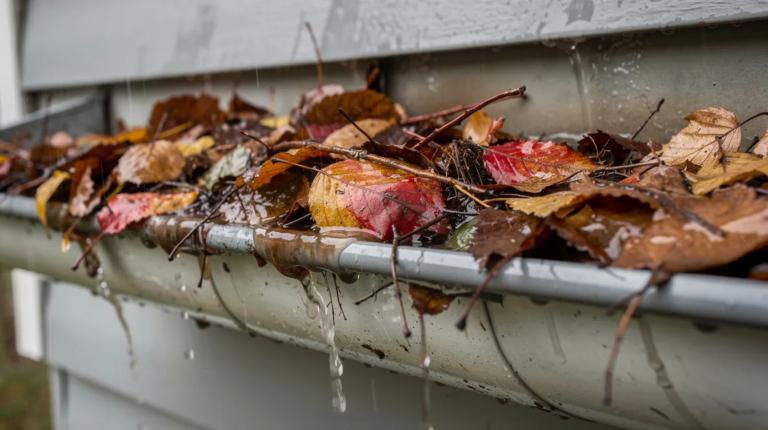
When it rains, your gutters should move the water away from your home. If you see water flowing over the sides, it means you have overflowing gutters. A clog from leaves can sometimes cause this. But if the overflowing keeps happening, there may be a bigger problem with your gutter system.
This overflow can make the ground around your home’s foundation too wet. It can also make water stains show up on your siding. Your landscaping could get washed away, too. The main job of your gutters is to give the right drainage. If they can’t keep up with the water, you might get costly water damage. Even if you do a gutter cleaning, and things are still not good, you might need to get a new system.
A system that is too small or not built the right way can also spill over. You should watch for these signs. They show that you may need to get a new one.
Do you see puddles or water sitting near your home’s foundation after it rains? This is a big sign that your drainage system is not working the way it should. Gutters are made to direct water away from your house. So, if water ends up around the base, there must be a problem somewhere in the line.
Stagnant water can push hard against your home’s foundation. This can make cracks show up, cause leaks, and even lead to bad foundation damage as time passes. It’s important to keep your home’s foundation safe, because fixing it can cost a lot. To stop further damage, you need to deal with the cause of the stagnant water right away.
If you notice these problems, the gutters will probably be the cause:
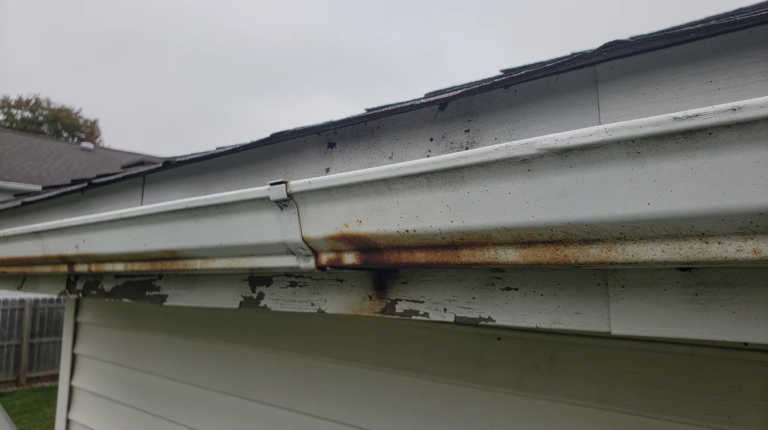
When you look closely at your gutters, you may see signs that they are not in good shape. If you find rust spots, small cracks, or holes, these are signs that your gutter may not last much longer. If you use steel gutters, rust spots show that the protective coating is gone and now water can get to the metal. This can lead to more problems with your gutters.
Even small cracks in the gutters can cause problems. They let water get out, and the issue can get worse fast. This may lead to big leaks and water marks on your fascia and siding. You may be able to patch a tiny crack. But if you see many visible cracks or a lot of rust, your gutters are likely too damaged for a small repair. In this case, gutter replacement is the best option.
Here’s a quick look at what these signs mean:
| Sign | Implication |
|---|---|
| Rust Spots | The protective coating has failed, and the metal is corroding. |
| Small Cracks | The gutter’s integrity is compromised, leading to leaks. |
| Holes | A clear sign of advanced deterioration, rendering the gutter ineffective. |
The paint on your home’s outside does more than just make it look good. It helps protect your house. If you start to see peeling paint or water stains that do not go away on your siding or on the fascia boards near the roof, it can mean you have a problem with your gutter system. Peeling paint is caused when there is too much water, which shows that water is flowing over or leaking out from your gutters.
These water marks show that water is often touching places where it should not be. If this keeps happening, damp spots will appear and the wood can start to rot. The wet areas also help mold growth, and both wood rot and mold growth are types of water damage. These problems are much harder to fix than fixing the gutters.
Do not ignore these visual cues. The signs are often the first thing people notice when there is a hidden problem. You should look for:
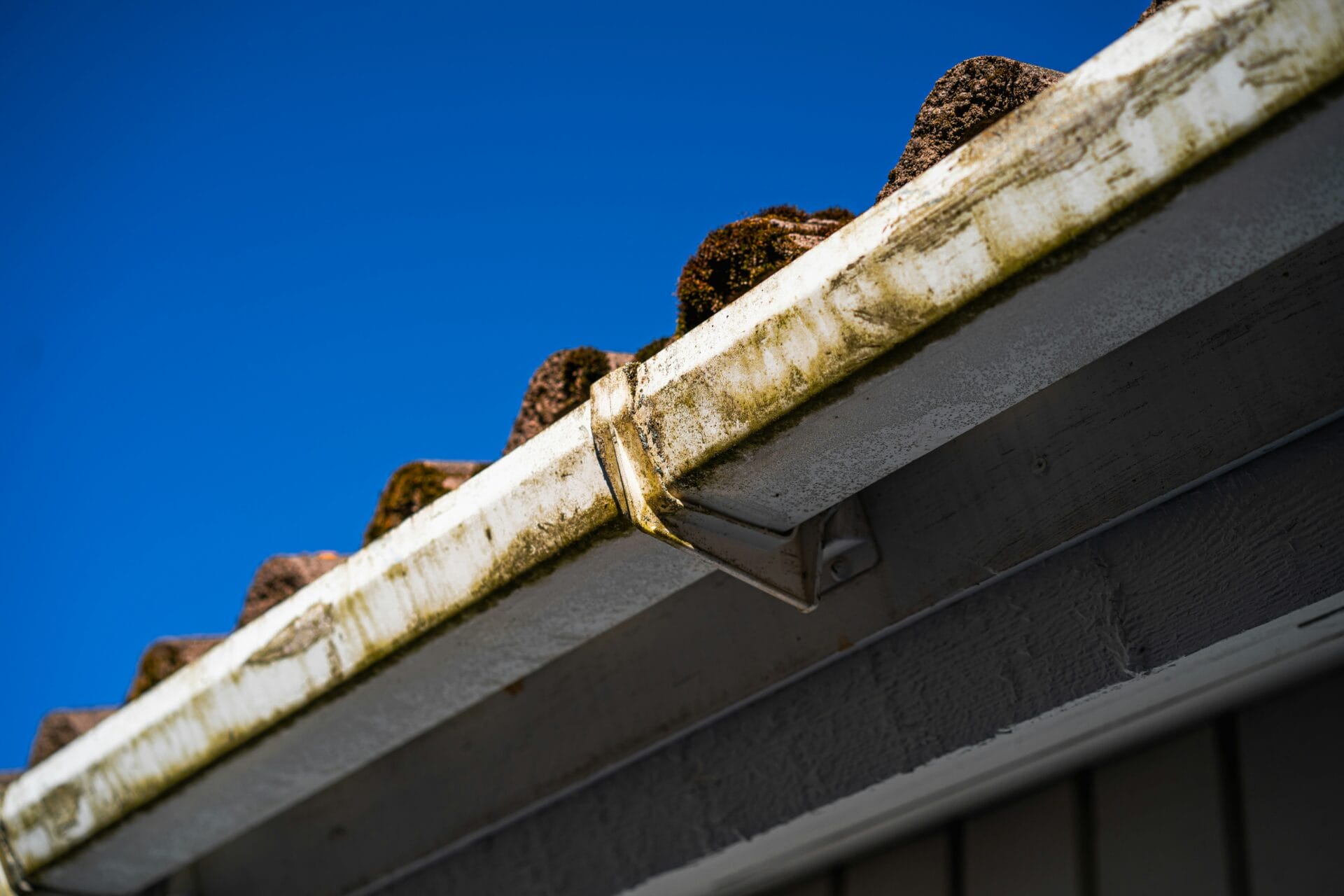
If you see mold or mildew growth on the outside of your home, it is a clear red flag. The fungi like damp places. When you find them close to your roofline, you likely have a moisture problem because of your gutter system. If the gutters leak or overflow, this can make the soffits, fascia, and siding wet. This is the kind of place where mildew growth happens.
If you do not get rid of this growth, it can cause more problems than making things look bad. Mold can damage parts of your building and lead to structural damage as time goes by. It can also make your family sick. If you notice spots of green, black, or gray, it shows that water in the home is not taken care of the right way.
A gutter system that does not work right can often cause problems. You should watch out for:
The fascia boards sit along the lower edge of your roof. They are the straight boards that hold your gutters in place. If you see that the fascia boards are rotting or breaking down, this is a clear sign of water damage. It often means there is gutter damage that has been there for some time.
When the, gutter system gets blocked, leaks, or spills water, the water goes over the back side. It can get into the wooden fascia boards. If this goes on for a long time, the wood will get soft, break down, and rot. When fascia boards are hurt like this, they stop holding up the gutter system the right way. This can make the gutters drop down or even fall off.
Repairing or putting in new fascia can be more work and cost more money than just doing a gutter replacement. When your fascia is not in good shape, this can mean your gutters are at the end of their lifespan. You will most likely need to get a new gutter system, or even replace the entire gutter system. You should keep an eye out for:
It is important to watch for signs that show you need new gutters. Some signs are leaks that will not go away, parts that sag, mold growth, and pools of water near your home’s foundation. These things show you there may be a problem with your gutters. If you fix these things quickly, you can stop worse things from happening later. This can help save you time and money. When you keep an eye out and act early, your home will stay strong. A home with well-cared-for gutters also looks good and can be worth more. If you want to make sure your gutters are working well or talk about new options, you can ask for a meeting today.
The life of a gutter depends on what it is made from. Aluminum or steel gutters can last up to 20 years. Copper gutters can go for 50 years or even more. Modern seamless gutters often last longer because they do not have many weak spots. When your gutters get to the end of their lifespan, gutter replacement is the best choice for the long run.
Choosing to fix or replace your gutter system depends on how bad the gutter damage is. A minor issue, like one small leak or a part that has come loose, can often be fixed. But if you see lots of rust, many leaks, or sections that sag, this means the entire gutter system is not working. In this case, it will need immediate replacement.
If you ignore gutter issues, you may have to deal with costly water damage. The main risks are foundation damage caused by water that collects around your house. It can also create structural damage from wood getting wet and then rotting. Sometimes, it leads to basement flooding. You may see water stains outside your home, and these do not look good. All of these problems can be much more costly to repair than getting new gutters in the first place.