Start The Process
Submit your contact details & we'll reach out to you shortly.


A properly designed gutter system is a critical component of your home’s exterior protection strategy. Its primary role is to control roof runoff and direct water safely away from siding, fascia boards, and the foundation.
While traditional sectional gutters have been widely used for decades, seamless systems offer measurable improvements in durability, leak prevention, and long-term drainage performance. Because they are fabricated in continuous lengths and custom-fit to the roofline, seamless gutters eliminate many of the structural vulnerabilities associated with sectional systems.
For homeowners evaluating long-term reliability — particularly in climates with heavy rainfall and seasonal freeze-thaw cycles — seamless systems provide clear performance advantages.
The primary distinction between seamless and sectional systems lies in their construction.
Sectional gutters are assembled from multiple pre-cut pieces joined together along the roofline. Each joint relies on sealants and mechanical fasteners to remain watertight. Over time, these connection points are exposed to thermal movement, debris accumulation, and weather-related stress.
Seamless gutters are formed from a single continuous piece of material — typically aluminum or copper — fabricated on-site to match the exact dimensions of the home. Joints are limited to inside and outside corners and downspout connections, substantially reducing potential failure points along horizontal runs.
Homeowners considering [Seamless Gutter Installation] benefit from a system engineered to minimize joint-related deterioration and improve long-term structural stability.
Effective drainage depends on proper pitch, accurate sizing, and uninterrupted water movement. Sectional systems introduce seams at regular intervals, which can create minor internal resistance and increase the likelihood of debris catching at connection points.
A continuous gutter channel allows water to travel more consistently toward downspouts, particularly during sustained or heavy rainfall. By reducing interruptions along the run, seamless systems support more predictable hydraulic performance.
This consistency becomes especially important in regions exposed to intense seasonal rain and repeated freeze-thaw cycles, where reliable runoff management is essential to protecting exterior materials.
Proper sizing and strategic downspout placement further enhance system efficiency and are critical factors in long-term performance.
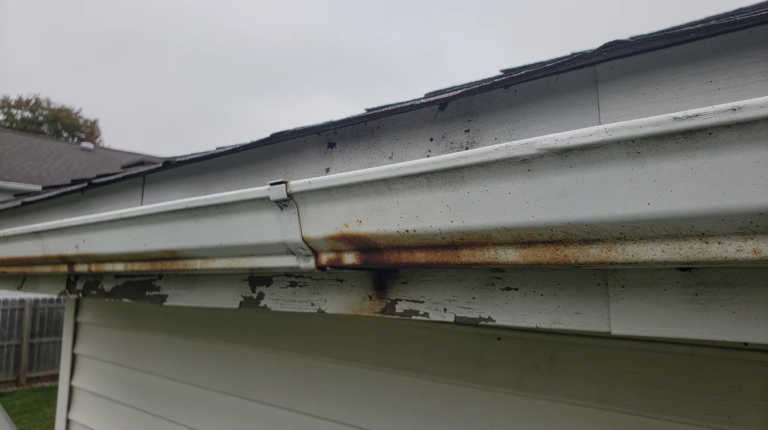
Joint failure remains one of the most common causes of gutter leakage. In sectional systems, each seam represents a potential vulnerability. Sealants degrade, fasteners loosen, and repeated expansion and contraction place stress on connection points.
Seamless gutters dramatically reduce these risks by limiting the number of seams along the roofline. With fewer joints, there are fewer opportunities for water to escape behind the system and compromise fascia boards or siding materials.
When evaluating long-term reliability, reduced joint frequency directly correlates with lower leak potential and decreased need for premature [Gutter Repair].
All exterior materials expand and contract in response to temperature changes. In sectional systems, this movement is concentrated at every seam, increasing the likelihood of separation over time.
Seamless gutters distribute thermal movement across longer continuous spans, reducing stress concentration at individual connection points. This structural continuity helps preserve alignment and attachment strength throughout years of seasonal fluctuation.
In climates with wide temperature swings, this resistance to joint fatigue significantly contributes to extended system lifespan.
Gutters function as part of a broader exterior water management system that includes roofing, fascia boards, soffits, siding, grading, and foundation drainage.
When gutters leak or overflow, water can migrate behind fascia boards, stain siding, and accumulate near the foundation. Prolonged exposure may contribute to wood rot, material deterioration, soil displacement, and increased hydrostatic pressure against basement walls.
A properly installed seamless system improves containment and supports the structural integrity of the entire exterior envelope. For properties experiencing recurring drainage issues, a full [Gutter Replacement] may be necessary to restore dependable runoff control.
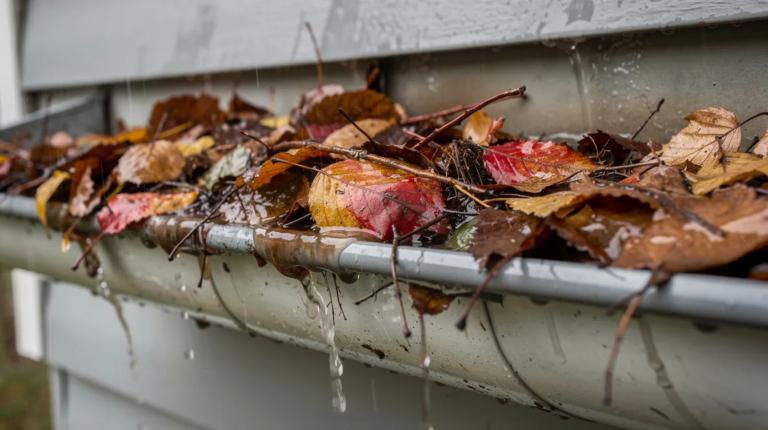
Seams in sectional gutters frequently act as collection points for leaves, shingle granules, and small debris. Accumulation at these joints increases clog risk and restricts water flow.
Because seamless gutters have fewer internal interruptions, debris is less likely to collect along horizontal runs. While periodic inspection remains essential for any gutter system, seamless designs generally reduce blockage frequency and associated maintenance demands.
For homes surrounded by mature trees, integrating [Gutter Guards] with a seamless system can further support long-term drainage efficiency.
Material selection influences longevity, but system design plays an equally important role.
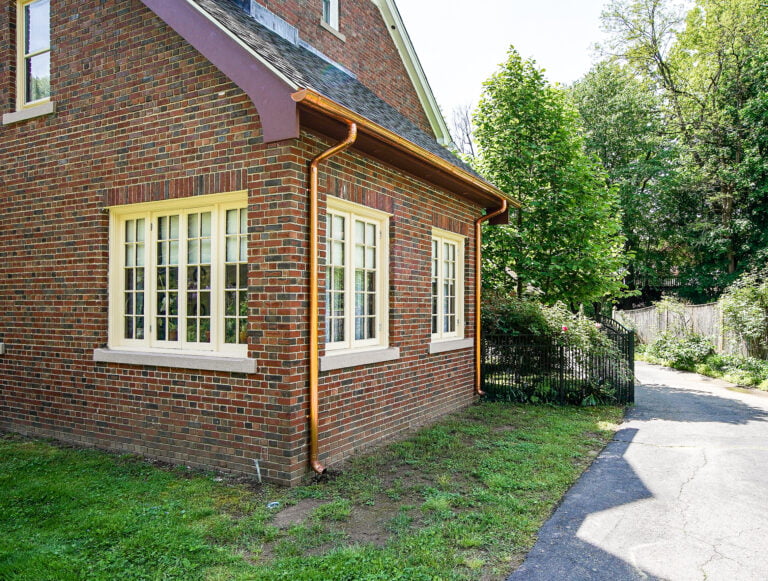
Aluminum seamless gutters commonly provide 20 years or more of reliable performance when properly installed and maintained. Copper systems can exceed 50 years due to their corrosion resistance and structural durability.
By minimizing joint-related deterioration and distributing structural stress more evenly, seamless construction helps preserve system integrity over time. The result is a drainage solution that performs consistently with fewer repairs and lower lifecycle costs.
When evaluated within a comprehensive water management strategy, seamless gutters offer advantages that extend beyond appearance. Their continuous construction improves drainage predictability, reduces leak exposure, and strengthens overall exterior performance.
For homeowners focused on protecting structural components and reducing preventable moisture-related deterioration, seamless systems represent a sound, long-term investment in exterior stability and protection.
Aluminum seamless systems often perform reliably for 20 years or more, depending on environmental exposure and installation quality. Copper systems can exceed 50 years under proper conditions. Accurate pitch, secure fastening, and appropriate sizing are essential to achieving full lifespan potential.
Yes. Seamless gutters are fabricated on-site using specialized forming equipment to ensure precise measurements and proper alignment. Professional installation ensures correct pitch, secure attachment to fascia boards, and integration with the home’s overall drainage system.