Start The Process
Submit your contact details & we'll reach out to you shortly.

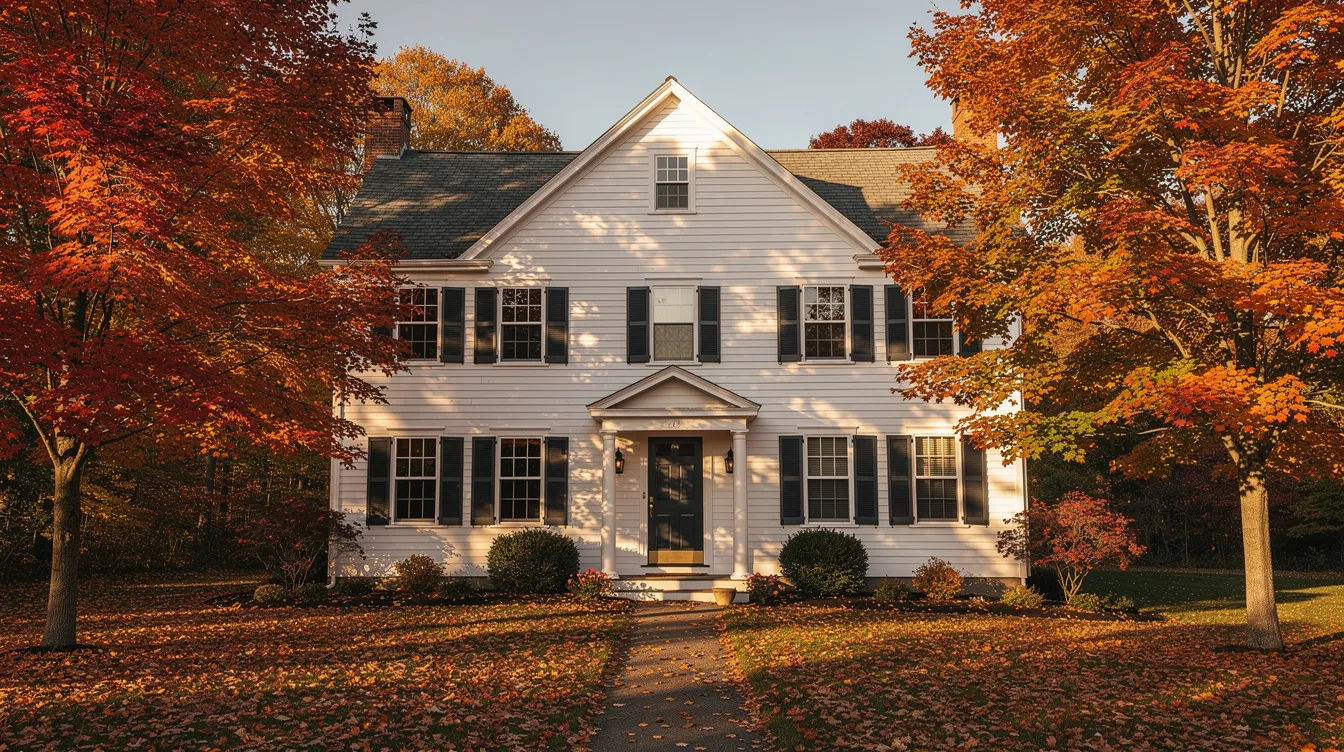
Choosing between 5 inch gutters and 6 inch gutters is one of the most important decisions you’ll make when replacing or installing a gutter system on your Massachusetts home. The wrong gutter size can lead to overflow, foundation damage, and costly repairs. The right one keeps your house dry for decades.
Here’s what Western MA homeowners need to know before making that call.
If you live in Western Massachusetts, your home already deals with roughly 46 inches of annual rainfall, and that number doesn’t tell the full story. Massachusetts experiences substantial precipitation throughout the year, and climate trends are pushing storms to become more intense rather than more frequent. That means your gutters need to handle short, heavy downpours, not just steady drizzle.
For most larger or steeper-roofed homes in the area, 6 inch gutters are the safer long-term option. They handle more water, pair with larger downspouts, and give you a bigger margin of error during the storms that actually cause damage. 6-inch gutters help prevent overflow during heavy rain, which is the single biggest source of gutter-related problems on Western MA homes.
At Custom Gutters LLC, we install both 5 inch and 6 inch seamless gutters across the region. We typically recommend 6 inch for homes with large roofs, complex rooflines, or when adding gutter guards. That said, many homes with simpler layouts do just fine with 5 inch gutters when the system is designed correctly, depending on roof size, pitch, and storm intensity.
The word “inch gutters” refers to the width of the gutter opening at the top, or mouth, rather than the full system capacity. Depth, wall shape, and profile all affect how much water a gutter can actually carry.
A 5-inch standard K-style gutter holds approximately 1.2 gallons of water per linear foot. A 6 inch gutter, being both wider and deeper, can carry nearly 50% more water volume. That’s a substantially bigger difference than most homeowners expect.
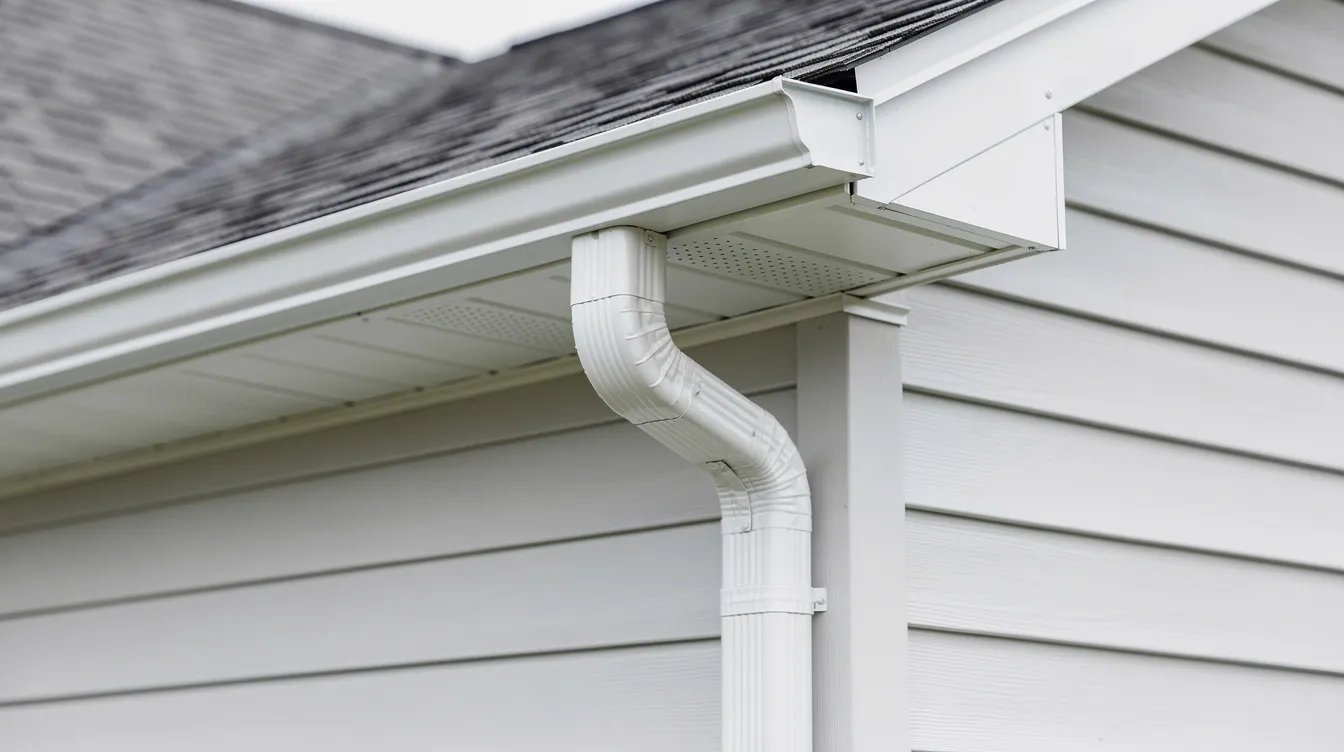
During a moderate rain, both sizes may perform adequately. The gap shows up during the intense summer and fall downpours Western MA sees from July through September, when 1–2 inches of rain can fall in under an hour. In those moments, 6-inch gutters provide better performance and prevent water from spilling over during high-flow events, while 5 inch gutters often overflow.
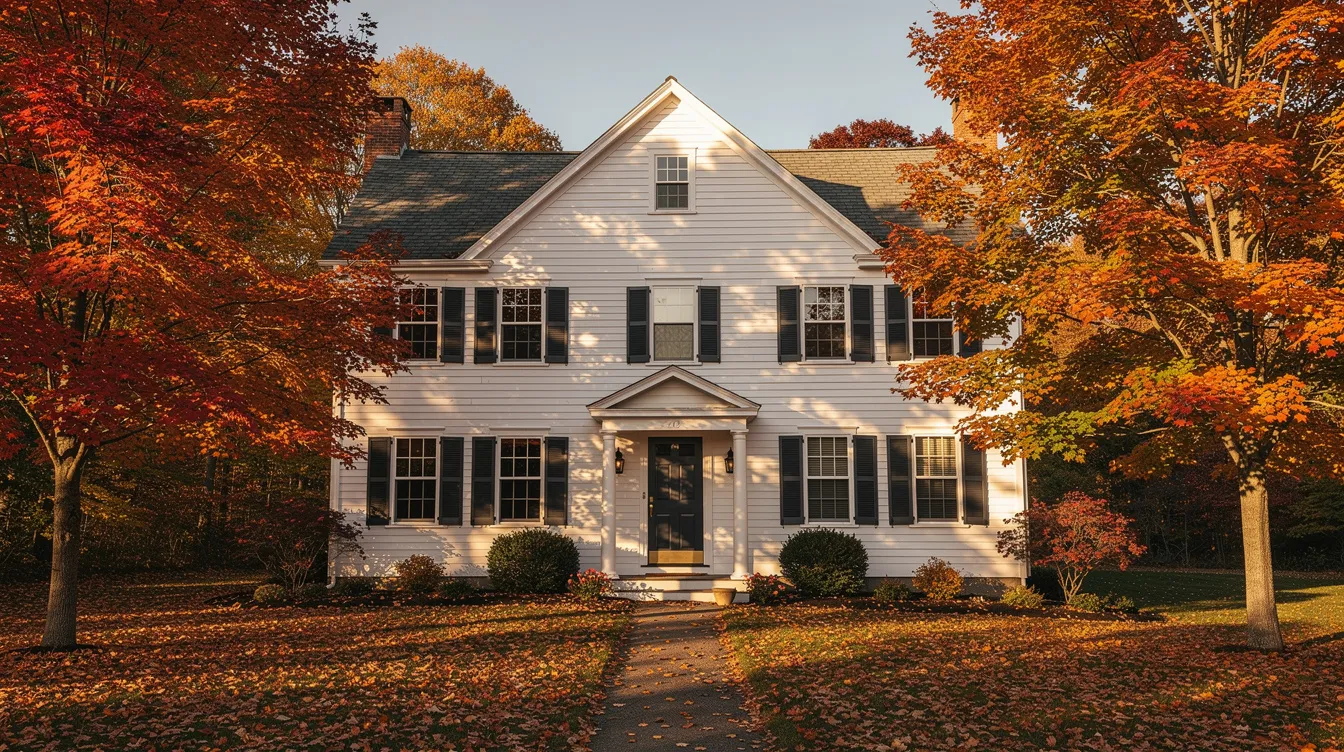
Consider a medium Colonial in Chicopee with a simple two-story roofline versus a larger Colonial with an attached garage and multiple roof valleys. The first home might handle a 5 inch system just fine. The second home generates concentrated flow that demands the extra volume of a 6 inch setup.
To determine the right gutter size for your home, you need to consider three factors: roof square footage, roof pitch, and local rainfall intensity. In Western Massachusetts, average annual rainfall hovers around 46 inches, with increasingly intense storm events driving peak flow demands higher than historical averages.
Roof square footage is the drainage area feeding each gutter run. A typical ranch or Cape in Hampden County might have 1,200–1,800 square feet of roof per side. A large two-story Colonial can push 2,500–3,500 square feet per roof plane. When roof size exceeds roughly 1,800–2,000 square feet draining to a single gutter run, the chances of overflow with 5 inch gutters increase sharply.
Roof pitch matters because steeper roofs accelerate runoff velocity, making water overshoot standard 5-inch troughs. Older New England homes commonly have pitches of 6/12, 8/12, or steeper. 6 inch gutters are better for homes with steep roof pitches because the wider opening captures fast-moving runoff that would fly past a narrower gutter. Proper sizing should be based on the effective roof catchment area and rainfall intensity, not just the home’s footprint.
Homes with steep pitches or multiple intersecting rooflines concentrate massive amounts of water into localized pockets. 6-inch gutters are especially advantageous where water is concentrated by valleys or steep roof sections.
Quick rules of thumb:
Gutter size alone doesn’t determine performance. Downspout sizing and gutter guards play equally important roles in how your system handles heavy rainfall.
5-inch systems typically use 2×3-inch downspouts, while downspouts for 6 inch gutters typically use a 3-3/8 inch outlet, often paired with 3×4-inch rectangular downspouts. That larger exit area is critical. Downspout size is crucial to prevent bottlenecks when upgrading gutter size, and larger downspouts reduce blockage risk significantly, allowing debris to flow through rather than getting blocked at the transition point.
With 5 inch gutters, you need a downspout every 30–35 feet to keep flow balanced. 6 inch gutters can span 50–60 feet with proper pitch, giving you more flexibility in downspout placement and fewer penetrations through your fascia.
When gutter guards are installed, they slightly restrict intake area. 6 inch gutters maintain a larger capture area beneath covers, which means guards don’t compromise performance as much. In Western MA’s leafy neighborhoods-think the mature oaks and maples across West Springfield and Longmeadow-this makes a real difference during fall storms.
Also worth noting: excessive shingle overhang can block smaller gutters entirely, another reason the wider 6 inch profile is more forgiving. Longer gutter runs increase the risk of overflow during heavy rain, and a bigger gutter gives you more buffer before that happens.
Not every home needs 6 inch gutters, and there’s no sense in spending money where 5 inch gutters are sufficient. Here’s how to determine which applies to your house.
5 inch gutters are typically adequate when:
Upgrading to 6 inch gutters is strongly recommended when:
A concrete example: a two-story Colonial in Westfield with an attached garage and multiple roof valleys feeding a 45-foot gutter run with one downspout. The homeowners dealt with overflow every August during thunderstorms. Replacing with 6 inch seamless gutters and 3×4 downspouts eliminated the problem entirely and provided lasting protection for the foundation.
The cost difference between 5 inch and 6 inch gutters is real but modest-especially compared to the price of repairing water-damaged siding, rotted fascia, or a cracked foundation.
6 inch gutters cost 15–25% more than 5 inch gutters. Here’s what that looks like in practice:
The bigger hangers, corners, and larger downspouts all contribute to the increase. But the long-term savings often make the investment a waste to skip: fewer overflows mean less fascia rot, less foundation seepage, and less frequent maintenance. You’re not just buying a bigger gutter-you’re buying insurance against the storms that actually cause damage.
Custom Gutters LLC offers free estimates across our service area, so homeowners can see the exact cost difference between 5 inch and 6 inch options for their specific roof before committing a single dollar.
Seamless gutters are now standard for most professional installations in Massachusetts, and for good reason. Fewer seams means fewer leak points, less risk of ice-related separation in winter, and lower maintenance over the life of the system. If you’re comparing seamless gutters to older sectional systems, the performance gap is significant-especially in a climate like ours.
Snow, ice, freeze-thaw cycles, and ice dams can all stress gutters in Massachusetts. A 6-inch gutter provides a larger buffer zone to combat ice dams because it holds more volume before backing up onto the roof edge. That extra capacity matters during winter when snowmelt and rain hit simultaneously.
When gutter guards are paired with 6 inch seamless gutters, homeowners get maximum protection with minimal cleaning needs. The larger opening ensures water enters even when guards are partially covered with debris, and the bigger downspouts provide a clear exit path for everything that passes through.
Custom Gutters LLC backs every installation with a five-year labor warranty and typical 20-year manufacturer warranties. Choosing the right gutter size and seamless construction is a long-term investment that pays off every time it rains-or snows-in Western MA.
As a family-owned gutter contractor based in West Springfield, we’ve spent years sizing gutters for the specific conditions Western MA throws at homes and business properties. We understand how local rainfall, steep New England rooflines, and heavy tree canopy all affect which gutter system performs best on your building.
What sets us apart:
Many homeowners agree that having a local contractor who knows the area makes a real difference. We don’t guess at your gutter size based on a website calculator-we look at your roof, measure your runs, and explain exactly what you need and why.
If you’re ready to stop worrying about overflow and start protecting your home the right way, reach out for a free estimate. Whether you need 5 inch or 6 inch gutters, we’ll make sure your system is sized right for your roof and built to handle everything Western Massachusetts can deliver. Check out our website, give us a call, or request your free inspection today. We’d love to hear more comments and questions from homeowners across the region-don’t hesitate to reach out with videos or photos of your current setup so we can give you the most accurate recommendation possible.