Start The Process
Submit your contact details & we'll reach out to you shortly.

If you’re planning new gutters and trying to figure out when to schedule the job, the timing matters more in Western Massachusetts than it does in most parts of the country. Pioneer Valley weather puts real constraints on exterior work — and it creates a peak season demand pattern that catches a lot of homeowners off guard when they wait too long to call.
This guide breaks down each season honestly so you can plan ahead, protect your home through the right weather window, and avoid the scheduling crunch that drives up wait times every fall.
Western Massachusetts sees about 46 inches of rainfall per year, 45 to 55 inches of snow, and dozens of freeze-thaw cycles between November and March. That climate creates two realities that directly affect gutter installation timing.
First, your gutters need to be fully functional before the worst weather arrives. A home heading into a Pioneer Valley winter without a properly installed, properly draining gutter system is at meaningful risk of ice dam formation, fascia damage, and foundation water intrusion. Getting the job done well before that window closes isn’t just about convenience — it’s about protecting your home through a season that is genuinely hard on exterior systems.
Second, demand for gutter installation in the region spikes sharply in late summer and fall, when homeowners realize they need work done before the cold arrives. Lead times that are measured in days during spring can stretch to weeks by September and October. Understanding this pattern lets you get ahead of it.
Late March through May is the best time of year to install gutters in Western Massachusetts for most homeowners, and it comes down to several factors that align at once.
Temperatures in the 45 to 75 degree range are ideal for aluminum gutter installation. Metal expands and contracts with temperature extremes — at very high or very low temperatures, fitting and sealing require extra care to account for material movement. Spring temperatures in the Pioneer Valley hit the sweet spot consistently, which means a cleaner, faster install.
Spring also puts your new system to work immediately. Western Massachusetts gets meaningful rainfall starting in April, and having properly sized, properly pitched gutters in place before the heaviest spring rains arrive protects your foundation and landscaping from the first storm of the season. You’re not installing and then waiting months for the system to matter — it’s handling real drainage load within weeks of going up.
The scheduling advantage is significant too. Most homeowners don’t think about gutters in March or April — they’re thinking about it in August when they start seeing leaves in the channels, or in September when a neighbor mentions ice dams. Booking in spring means you’re ahead of the demand curve. Lead times are shorter, scheduling is more flexible, and you have time for a second look before peak season if anything needs adjustment.
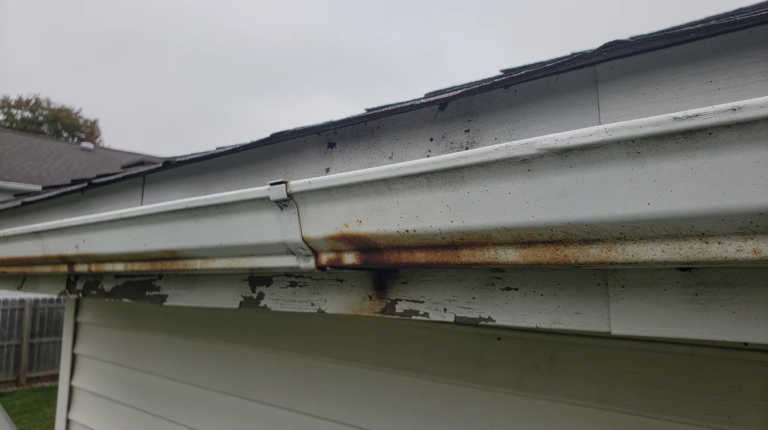
If your gutters didn’t survive the winter intact — hangers pulled loose by ice loads, sections sagging after a heavy snow, seams that opened in the freeze-thaw cycle — spring is also the natural window to assess what happened and decide whether you’re repairing or replacing before the next rain season gets going.
June through August is a perfectly functional time to install gutters in Western Massachusetts, and for homeowners who missed the spring window it’s a solid second choice. Temperatures are stable, days are long, and installation crews can work efficiently without the weather constraints that affect spring and fall scheduling.
The one thing to be aware of in summer is peak demand. This is when most homeowners notice exterior projects and start making calls — which means installer schedules fill up faster than they do in spring. If you’re planning a summer installation, booking your estimate in May or early June rather than late July gives you the best shot at getting your preferred timeline. Waiting until August puts you at the front edge of the fall rush, when lead times start extending.
Summer installation also gives your system a full season to settle before the first hard freeze, which is a genuine advantage. Any minor pitch adjustment or downspout routing issue shows up during summer rain events — minor things that are straightforward to address before October — rather than revealing themselves in a winter ice dam situation.
September and October are workable for gutter installation in Western Massachusetts, but the margin for error narrows considerably. You’re racing two deadlines simultaneously: the first hard freeze, which in Hampden County typically arrives in late October or November, and the peak demand calendar, which means installer schedules are at their fullest right when you’re trying to book.
Fall installation does make sense in specific situations. If your gutters failed over the summer and you’ve been getting by with a compromised system, waiting until spring isn’t a reasonable option — you need them replaced before the first snow load and the freeze-thaw season that follows. A gutter system heading into a Pioneer Valley winter in poor condition is a genuine liability. Getting the job done in September or early October protects you through the hardest months.
The strategic move in fall is acting early rather than waiting. Homeowners who book estimates in late August and schedule installation for September are in a much better position than those who start calling in mid-October when every gutter contractor in the region is booked out. If you’re reading this in September, call now — don’t wait until the leaves are fully down to make a decision.
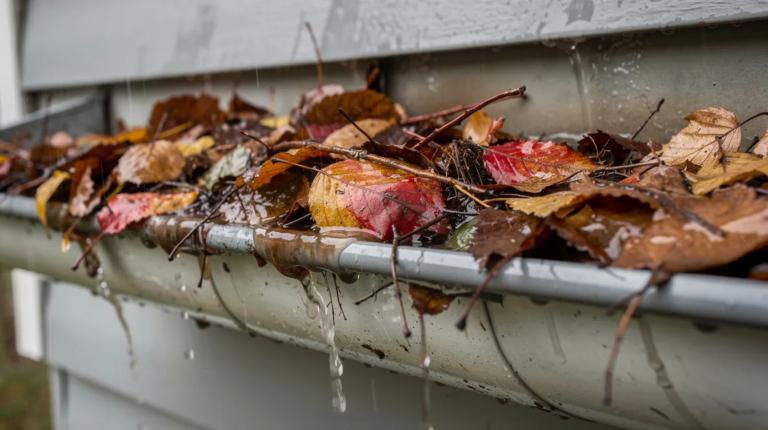
One practical note: fall installation means your new gutters will be handling leaf debris almost immediately. Adding gutter guards at the time of installation is worth serious consideration for fall jobs — they reduce the accumulation that can block a brand-new system in its first weeks and help ensure it drains properly heading into winter.
December through February is the one window where gutter installation genuinely becomes difficult in Western Massachusetts, and most homeowners should avoid scheduling new work in this period if their situation isn’t urgent.
The reasons are practical. Aluminum becomes less pliable in sustained cold below 35 to 40 degrees, which makes precise fitting and sealing more difficult. Frozen or snow-covered fascia boards are harder to assess for condition. Ice on rooflines creates safety constraints that slow down crews and limit what can be accomplished safely. Sealants used at corners and end caps require minimum temperature thresholds to cure properly — in a hard Western MA winter, hitting those windows consistently is a challenge.
None of this means winter installation is impossible. Seamless aluminum gutters, which are formed on-site rather than assembled from pre-cut sections, are more tolerant of cold-weather installation than sectional systems — there’s no sealant required at the long seam points because there are no long seams. A skilled crew working a mild winter day can get a seamless system installed properly. But scheduling around weather windows in January and February adds unpredictability to the project timeline, and most homeowners are better served by planning ahead to avoid it.
The exception is an emergency. If your current gutters have failed completely — a section has come down, water is running directly against your foundation, ice dams are actively forcing water into your home — waiting until spring isn’t an option. Call for an assessment and get the work done as soon as conditions allow, regardless of the calendar.
The single most common complaint from Western MA homeowners who wait too long to schedule gutter work is lead time. In spring, a reputable gutter company can often schedule a job within a week or two of the estimate. By late September, the same company may be booked three to four weeks out — which means a homeowner who calls in early October and needs work done before the first freeze is already cutting it very close.
This isn’t a marketing pitch for acting early. It’s the reality of how seasonal demand works in a region where everyone is thinking about exterior home maintenance at the same time of year. Homeowners who treat gutter installation like any other home project and wait until they’re ready to move often find that the contractor’s calendar, not their own, determines the actual installation date.
The practical solution is simple: get your estimate earlier than you think you need to. If you’re planning new gutters for this year, request an estimate in spring even if you’re not certain you’re ready to commit. A reputable contractor will give you a quote with no obligation, and having that number in hand means you can make the scheduling decision quickly when you’re ready — rather than starting from zero during peak demand season.
At Custom Gutters MA, we offer free estimates on all residential gutter installation returned within 24 hours. We serve West Springfield, Springfield, Agawam, Westfield, Chicopee, Holyoke, Longmeadow, East Longmeadow, Ludlow, Southwick, and the surrounding area — and we’ve been doing it for over 20 years.
What is the best time of year to install gutters in Massachusetts?
Late March through May is the ideal window for most homeowners. Temperatures are stable, demand is lower than it is in summer and fall, and your new system is in place before the spring rain season gets fully underway. Summer is a solid second choice. Fall is workable but time-sensitive — book early if you’re planning a September or October installation.
Can gutters be installed in winter in Massachusetts?
Yes, but it’s not ideal. Sustained cold below 35 to 40 degrees makes aluminum less pliable and complicates sealing. Seamless aluminum gutters are more tolerant of cold-weather installation than sectional systems, but winter work still depends on hitting weather windows that aren’t always predictable. If your situation is urgent, don’t wait — call for an assessment and schedule when conditions allow.
How far in advance should I book a gutter installation in Western MA?
For spring installation, two to four weeks of lead time is typically sufficient. For fall installation, booking in late August or early September gives you the best chance of getting your preferred timeline before the peak-season backlog builds. If you’re calling in October, lead times may push your installation close to the first freeze.
Does the season affect the quality of gutter installation?
Moderately. Aluminum performs best in mild temperatures, and sealants cure most reliably in the 50 to 75 degree range. Spring and summer installations happen in optimal conditions. Fall installations can be done well but require attention to temperature windows for sealing. Mid-winter installations carry the most weather-related risk, though seamless systems are more forgiving than sectional in cold conditions.
Is fall a good time to add gutter guards in Western Massachusetts?
Yes — fall is actually one of the best times to add gutter guards, particularly if you’re installing new gutters at the same time. Getting guards in place before the leaf drop season means your new system stays clear through the fall and heads into winter draining properly. Adding guards at installation is also more cost-efficient than retrofitting them later.
Should I get my gutters cleaned before winter even if they’re new?
If your new gutters were installed in fall, a quick professional cleaning after the leaves have fully dropped is worth scheduling before the first hard freeze. It confirms the system is draining cleanly and catches any debris that accumulated in the weeks between installation and the end of leaf season — a small step that goes a long way toward a problem-free winter.