Start The Process
Submit your contact details & we'll reach out to you shortly.

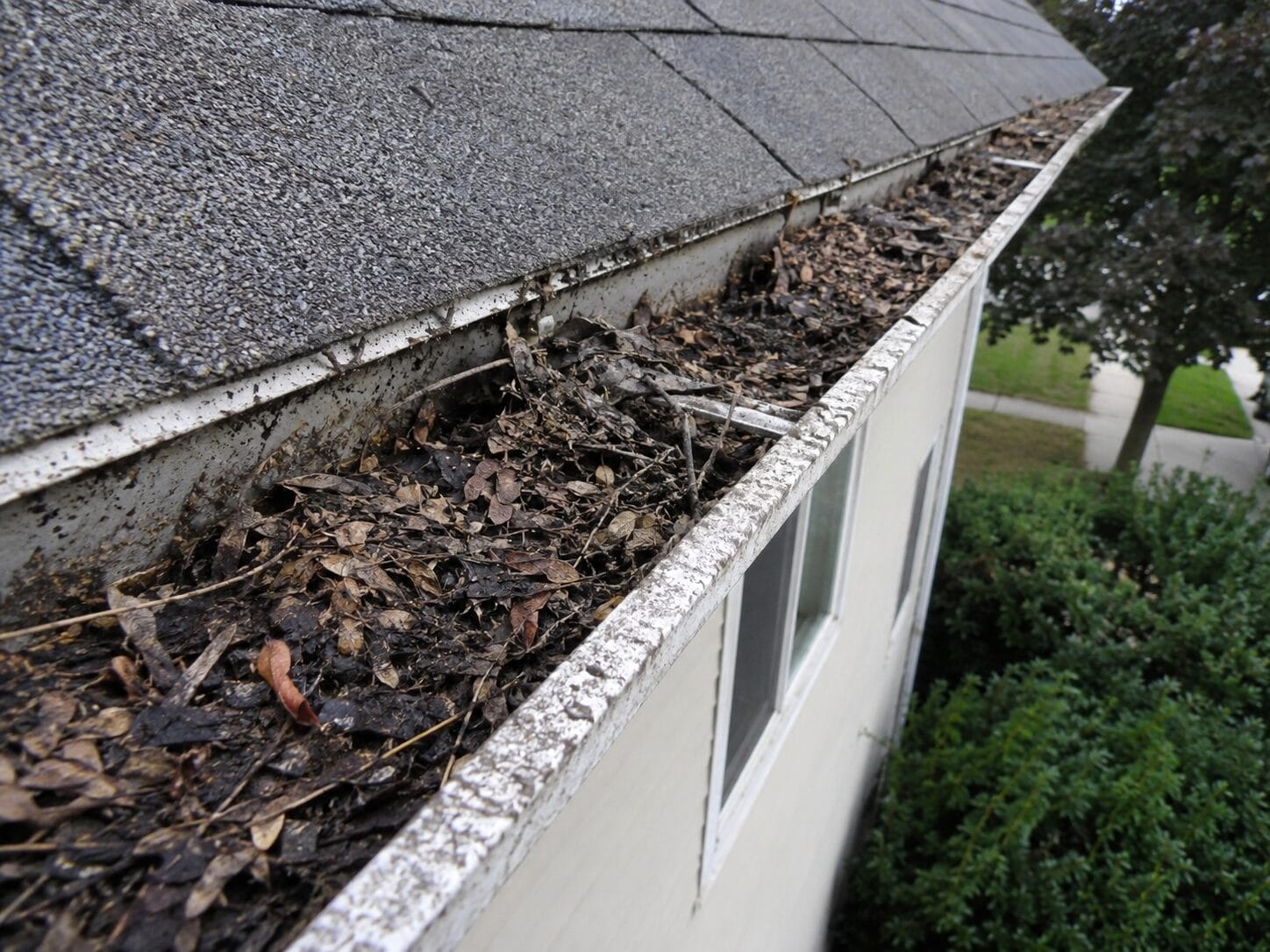
Most homeowners know they’re supposed to clean their gutters. Life gets busy, it gets pushed down the to-do list, and before long it’s been a year — or two — or five. It’s easy to put off because the consequences aren’t immediate. Gutters don’t fail dramatically overnight. They fail slowly, quietly, and expensively.
By the time most homeowners notice something is wrong, the damage has already been building for months. Water stains on the ceiling. A crack in the foundation. Rot behind the gutters they can’t even see from the ground. The repair bills that follow are almost always far larger than the cost of the cleanings that would have prevented them.
This post breaks down exactly what happens when gutters go uncleaned — with real damage examples, realistic repair costs, and a timeline of how it typically unfolds for Massachusetts homeowners. If you’ve been putting off gutter maintenance, consider this your wake-up call.
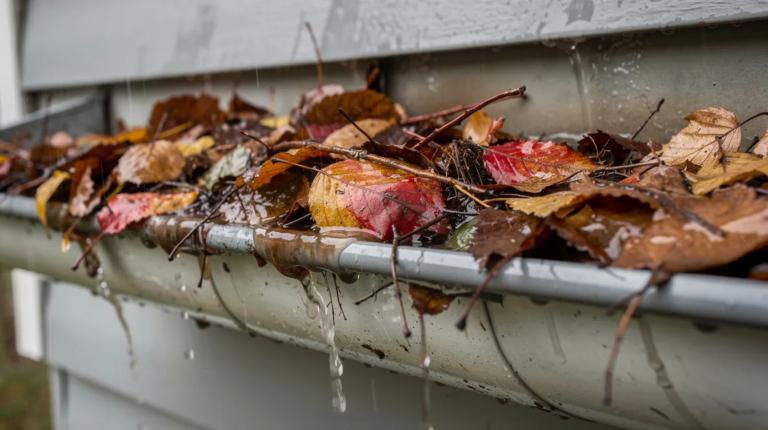
Before getting into the specific types of damage, it helps to understand the basic failure sequence. When gutters fill with debris, water can no longer flow through the channel and down the downspouts. Instead it does one of two things — it overflows over the front edge of the gutter, or it backs up and sits in the gutter channel as standing water.
Both outcomes cause damage, just in different places. Overflow sends water directly down your siding and pooling around your foundation. Standing water in the gutter channel damages the gutter itself, the fascia behind it, and — in a Massachusetts winter — freezes into ice that causes a cascade of additional problems.
Everything that follows flows from that basic failure.
When gutters overflow, water dumps in a concentrated stream directly along the perimeter of your home rather than being directed several feet away through downspouts. Over time — sometimes a surprisingly short time — that water saturates the soil around your foundation, and saturated soil is what causes foundation problems.
What this looks like in practice. Water pools against the foundation after every rainstorm. The soil expands when wet and contracts when dry, creating pressure cycles against the foundation wall. Eventually you get cracks — first hairline, then wider. In homes with basements, water finds those cracks and you get seepage, dampness, and eventually flooding.
Real cost example. Minor foundation crack repair runs $500 to $1,500 per crack depending on severity and access. Full foundation waterproofing for a basement runs $5,000 to $15,000 or more. Structural foundation repair — when the damage has progressed to shifting or bowing walls — can exceed $20,000. A professional gutter cleaning twice a year costs a fraction of any of these numbers.
This is the damage type that tends to blindside homeowners the most because the connection between gutters and foundation isn’t obvious until you’re sitting across from a contractor being quoted five figures for repairs.
For Western Massachusetts homeowners, ice dams are the most immediate and severe consequence of neglected gutters. This is the damage type that separates New England homeowners from the rest of the country, and it’s worth understanding clearly.
When gutters are clogged going into winter, snowmelt from your roof has nowhere to drain. It backs up behind the blockage and freezes. The ice builds up along the eaves and eventually creates a dam that forces water up under your shingles rather than allowing it to drain off the roof. That water then finds its way into your walls, ceilings, and insulation — often without any visible exterior sign until the damage is already done.
What this looks like in practice. You notice a water stain on your ceiling in January. By the time you find it, the water has been sitting in your insulation and wall cavity for weeks. You pull back drywall and find soaked insulation, stained framing, and in some cases the beginning of mold growth.
Real cost example. Ice dam removal during a winter event runs $400 to $1,000 depending on severity. Interior water damage repair — drywall, insulation, painting — runs $2,000 to $8,000 depending on how much area was affected. Mold remediation, if it gets to that point, adds another $1,500 to $5,000 or more.
The Pioneer Valley and greater Western Massachusetts see significant freeze-thaw cycling through January and February. Gutters that are clear going into winter drain snowmelt properly and dramatically reduce ice dam risk. Gutters that are clogged are essentially a guarantee of ice dam formation during a normal Massachusetts winter. This is the single strongest argument for fall gutter cleaning in this part of the state.
Standing water in a clogged gutter doesn’t just sit there harmlessly. It sits against the fascia board — the wood board directly behind the gutter — and against the soffit underneath the roofline. Wood and persistent moisture don’t coexist well. Over months and years, the fascia begins to rot from the inside out.
What this looks like in practice. From the ground it can look fine for a long time. The paint holds, the gutter looks attached. But behind the gutter, the wood is soft, discolored, and deteriorating. By the time it’s visible from the ground — the gutter pulling away, the fascia visibly darkened or warped — the rot is usually extensive.
Real cost example. Fascia board replacement runs $6 to $20 per linear foot for materials and labor. A full fascia replacement on a typical two-story Massachusetts home can run $1,500 to $4,000 depending on linear footage and access. If the soffit is also affected, add another $1,000 to $2,500. This is entirely preventable damage — it results directly from water that had nowhere to go because gutters weren’t cleaned.
When gutters back up and water pools at the roofline, it doesn’t just affect the gutters and fascia. Water that sits at the edge of your roof works its way under shingles, into the decking, and eventually into the structure of the roof itself.
What this looks like in practice. Shingles at the eaves begin to curl or lift. The roof decking — the plywood under the shingles — absorbs moisture and begins to soften and delaminate. In severe cases, water penetrates into the attic and from there into the living space below.
Real cost example. Replacing damaged shingles along the eave line runs $300 to $800 for a minor repair. Roof decking replacement — when the plywood has been damaged by moisture — runs $1,000 to $3,000 for a partial replacement. A full roof replacement triggered by water damage that started at the gutters can run $8,000 to $20,000 or more for a typical Massachusetts home. Keeping gutters clean is the most direct way to protect your roof from this specific type of water damage.
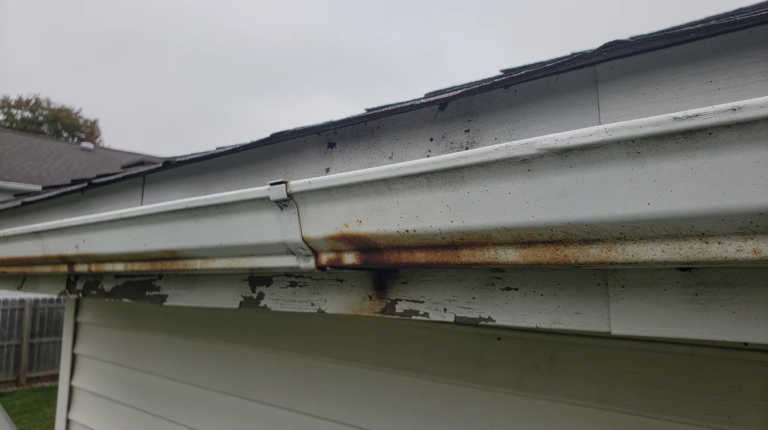
Overflow from clogged gutters runs down the exterior of your home every time it rains. Over time that constant moisture causes visible staining on siding, paint peeling and bubbling, and in some cases actual rot or moisture intrusion behind the siding itself.
What this looks like in practice. Dark vertical streaks running down the siding below the gutters. Paint that’s blistering or peeling in sections directly below the gutter line. On older homes with wood siding, soft spots that indicate moisture has gotten behind the surface.
Real cost example. Repainting an area of siding affected by water staining runs $500 to $1,500. Replacing sections of rotted wood siding runs $1,000 to $4,000 depending on extent. Fiber cement or vinyl siding replacement in affected areas can run higher. Again — overflow from a clogged gutter is the direct cause of all of this.
This one gets overlooked because it feels less serious than foundation or roof damage, but landscape erosion from gutter overflow compounds over time and creates its own set of problems.
When downspouts are blocked and water overflows in sheets off the front of the gutters, it hits the ground with force directly alongside your foundation. Over months and years it washes away mulch, erodes soil, kills plantings, and creates channels that direct even more water toward your foundation rather than away from it.
What this looks like in practice. Bare soil channels running along your foundation line. Dead or struggling plantings directly below the gutter overflow points. Mulch that needs constant replenishment because it keeps washing away.
Real cost example. Regrading soil around a foundation to correct erosion and improve drainage runs $1,000 to $3,000. Landscape replacement in affected areas adds to that. These are costs that compound quietly over years of neglect.
Standing water and decomposing organic debris in clogged gutters create ideal conditions for a range of pests. Mosquitoes breed in standing water — even small amounts sitting in a clogged gutter channel are enough. Carpenter ants and other wood-boring insects are attracted to the moisture-damaged wood that follows from clogged gutters. Birds and rodents use debris-filled gutters as nesting sites, and once they’re nesting at the roofline they often find ways into the attic or walls.
What this looks like in practice. Increased mosquito activity around the perimeter of your home in summer. Evidence of carpenter ant activity in fascia or soffit areas. Birds consistently nesting in the same section of gutter every spring. In more serious cases, signs of rodent activity near the roofline.
Real cost example. Professional pest treatment for carpenter ants or mosquito control runs $200 to $800 per treatment. Rodent exclusion and remediation can run $500 to $2,000 or more depending on severity. None of this addresses the underlying gutter problem — you pay for treatment and the conditions that caused it remain.
Beyond all the damage to your home, neglected gutters eventually damage themselves. Standing water and debris add significant weight to the gutter system — weight it wasn’t designed to hold continuously. Hangers pull out of the fascia. Sections sag, separate, and eventually detach entirely. Seams crack under the stress of freeze-thaw cycles when ice forms in clogged channels.
What this looks like in practice. Sections of gutter visibly sagging or pulling away from the roofline. Gutters that overflow even during light rain because the pitch has shifted from sag. Joints that leak at every seam because the sealant has failed under the stress of years of ice and standing water.
Real cost example. Rehanging and resealing a section of gutter runs $150 to $400. Full gutter replacement — when neglect has progressed to the point where repair no longer makes sense — runs $1,500 to $4,000 for a typical Western Massachusetts home depending on linear footage and system size. Our seamless gutter installation service gives you a new system built to last 20 to 30 years, but it’s always better to maintain what you have and get there naturally rather than through neglect.
Here’s how gutter neglect typically unfolds for a Massachusetts homeowner:
3 to 6 months without cleaning. Gutters begin to overflow during moderate rain. Downspouts may be partially blocked. Minor staining begins on siding. No structural damage yet but the conditions are being set.
6 to 12 months without cleaning. Overflow is now consistent during any significant rain. Fascia behind the gutters is beginning to absorb moisture. If this period includes a Massachusetts winter, ice dam formation is likely. Soil around the foundation is being consistently saturated.
1 to 2 years without cleaning. Fascia damage is progressing and may now be visible. Foundation soil erosion is noticeable. Pest activity may be increasing. Gutters are beginning to sag or pull away in sections. Interior water staining from ice dams may have appeared.
3 or more years without cleaning. Multiple damage types are now active simultaneously. Foundation cracks may be present. Fascia replacement is likely needed. Gutters may need partial or full replacement. Total repair costs at this stage routinely reach $5,000 to $20,000 or more depending on which systems have been affected and for how long.
Let’s put it in plain numbers. Professional gutter cleaning for a typical Western Massachusetts home runs $150 to $300 per visit. Twice a year — the standard recommendation — that’s $300 to $600 per year.
Compare that to the repair costs outlined above:
Even a single one of these repair bills costs more than a decade of regular professional cleanings. The math isn’t close. Regular maintenance is one of the highest-return investments in home upkeep you can make — not because it’s exciting, but because what it prevents is genuinely expensive.
The frustrating thing about gutter neglect is that by the time you see visible signs — the ceiling stain, the sagging gutter, the rotted fascia — the damage is already done and the bill is already coming. The whole point of regular cleaning is to stay ahead of the failure sequence entirely.
If it’s been more than a year since your gutters were last cleaned, or if you’re not sure when they were last done, now is the time to get it taken care of. Our gutter cleaning and repair service covers a full cleaning, downspout flush, and visual inspection in a single visit — and if we spot anything that needs attention we’ll let you know before it becomes a bigger problem.
If you’ve been dealing with recurring ice dams, gutter guards are worth considering alongside regular cleaning — they significantly reduce debris buildup and help keep water flowing freely through the freeze-thaw cycles of a Massachusetts winter. And if your gutters are already showing signs of serious wear or failure, our seamless gutter installation service can get you set up with a new system built to last.
For a full guide on how often Massachusetts homeowners should be cleaning their gutters, check out our post on gutter cleaning frequency for Massachusetts homes.
Custom Gutters MA is a family-owned business with over 20 years of experience serving homeowners across Western Massachusetts. We handle everything from routine cleanings to full seamless gutter replacement — and we give every customer a straight, honest assessment of what their system actually needs.
Contact us today for a free estimate. We’ll get back to you within 24 hours.
How long can you go without cleaning gutters before damage occurs? It depends on your tree coverage and climate, but in Massachusetts — where you have heavy leaf fall and a winter with freeze-thaw cycling — damage can begin within a single season of neglect. Fascia moisture damage and ice dam risk are both active threats within the first winter after gutters become clogged.
What’s the most expensive damage from not cleaning gutters? Foundation damage and roof damage are typically the most costly outcomes of long-term gutter neglect. Both can run into the tens of thousands of dollars in severe cases — far exceeding what years of regular professional cleanings would have cost.
Can clogged gutters cause basement flooding? Yes. When gutters overflow consistently along the foundation line, the soil becomes saturated and water finds its way into basement walls through cracks and gaps. This is one of the most common causes of basement water intrusion in Massachusetts homes.
Is it too late to clean gutters if damage has already started? No — cleaning your gutters stops the damage from progressing further even if some damage has already occurred. Getting gutters cleaned and functional is always the first step, followed by assessing and repairing whatever damage has been done.
How do I know if my gutters have already caused foundation damage? Signs include cracks in the foundation wall — especially horizontal or stair-step cracks in block foundations — water seepage or staining in the basement after rain, doors or windows that have begun to stick or shift, and visible soil erosion along the foundation line outside.